5 Ways Location and Cuisine Combine to Elevate Dining Experiences
ou're choosing between two restaurants. One has sweeping harbour views but serves forgettable food. The other delivers exceptional cuisine in a windowless room with beige walls. Which do you pick?
Most people compromise. They choose the view for special occasions and accept mediocre food, or they prioritise the meal and ignore the setting entirely.
The best dining experiences don't ask you to choose. When setting and cuisine work together, they create something neither element delivers alone. This article shows you how to identify venues where both elements enhance each other, and why that combination matters more than you might think.
Why the View Alone Isn't Enough Anymore
Restaurants that rely solely on location while serving average food used to get away with it. Not anymore.
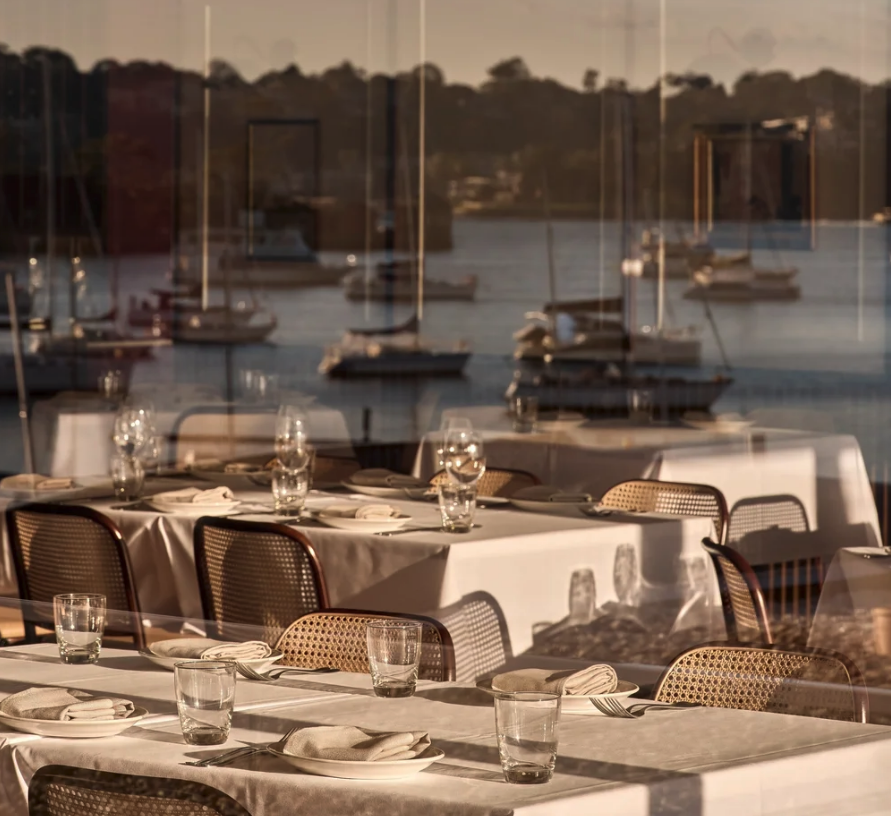
Sydney's waterfront dining market has become fiercely competitive. Diners expect both exceptional views and quality cuisine. The days of coasting on a harbour view while serving reheated pasta are over.
Have you ever left a restaurant with stunning views feeling disappointed by the meal? That disconnect happens when venues treat location as their only selling point. They assume the view will carry the experience, so they don't invest in the kitchen.
The problem isn't the view itself. It's the assumption that scenery alone justifies premium prices and repeat visits. It doesn't. Customers remember bad food far longer than they remember a nice sunset.
This shift reflects a broader change in what people value. Experience matters, but only when it's complete. A beautiful setting with poor food feels like wasted potential. You leave thinking about what could have been, not what was.
The Psychological Shift That Happens When Both Elements Align
When setting and cuisine work together, they create a multiplier effect. You don't just enjoy the view and the food separately. Each element makes the other better.
This isn't abstract. Waterfront dining is associated with 'blue space,' which can reduce stress and promote relaxation. That relaxed state changes how you perceive flavour. When you're less stressed, you notice subtle taste elements you'd otherwise miss.
The shift happens through specific sensory and social mechanisms. Your environment doesn't just set the mood. It actively changes how your brain processes the meal.
How Blue Space Affects Your Perception of Flavour
'Blue space' refers to waterfront environments that reduce stress and promote well-being. Being near water lowers cortisol levels and puts you in a more receptive state.
That matters for food because relaxed environments influence how food tastes, with stress reduction leading to more positive flavour perceptions. You're not imagining it. The same dish genuinely tastes better when you're calm and present.
A waterfront meal becomes a mini-retreat. You're more attentive to what you're eating because you're not distracted by stress or mental noise. The setting doesn't just complement the food. It prepares your brain to appreciate it properly.
Why Natural Light and Fresh Air Make Food Taste Different
Waterfront dining engages all five senses, not just taste. You smell sea air. You feel the breeze. You see natural light shifting across the water.
Sydney's golden hour lighting at sunset creates an inviting atmosphere that enhances the meal. The light is warm, flattering, and constantly changing. It makes everything look better, including the food on your plate.
Alfresco dining with sea breezes and outdoor air improves mood and reduces feelings of confinement. When you feel more comfortable and free, you enjoy your meal more fully. It's not just about the food tasting better. It's about you being in a better state to appreciate it.
The Social Dynamic That Only Happens in Waterfront Settings
Waterfront environments encourage longer, more relaxed conversations compared to enclosed spaces. There's something about expansive water views that makes people settle in and linger.
The setting creates an optimistic, celebratory mood. Guests feel more comfortable socialising because the environment itself feels open and welcoming. Waterfront dining often coincides with significant events like anniversaries due to its emotional impact.
When was the last time you lingered over a meal in a windowless restaurant versus one with harbour views? The difference isn't subtle. You stay longer, talk more, and remember the experience more vividly.
Three Markers That Separate Scenic Restaurants from Complete Experiences
Understanding the psychology is one thing. Identifying venues that actually deliver both setting and cuisine is another.
These three markers give you practical criteria for choosing where to dine. Venues that excel at both elements consistently demonstrate all three. Use them as a checklist next time you're deciding where to book.
Menu Specificity That Matches the Location
Exceptional waterfront venues serve food that reflects their proximity to the water. Waterfront restaurants in Sydney often serve fresh seafood like Sydney rock oysters and barramundi, enhancing the dining experience with their proximity to the ocean.
Menu specificity means dishes that make sense in that location, not generic options you could get anywhere. The menu should acknowledge and celebrate the waterfront setting.
Here's a practical test: Could this exact menu work in a suburban shopping centre? If yes, the restaurant isn't maximising its location. The food doesn't have to be exclusively seafood, but it should feel connected to where you are.
Timing and Service That Respects the Setting
Great waterfront venues pace their service to let you enjoy the changing light and water views. Rushed service contradicts the relaxed atmosphere that makes waterfront dining special.
Servers who time courses around sunset or who don't rush you when you're clearly enjoying the view understand what they're selling. They're not just delivering food. They're managing an experience that depends on timing and rhythm.
Does the service style match the setting, or does it feel like they're trying to turn tables quickly? If you feel hurried, the venue has failed to understand why people chose to dine there in the first place.
Design Choices That Frame Rather Than Compete
Interior design should direct attention to the water views, not distract from them. Waterfront locations provide a sophisticated ambience with reflections and ambient lighting in the evening that enhances rather than overwhelms.
The best venues balance luxury and comfort. They feel special without being stuffy or overdone. The décor supports the experience without demanding attention.
If you remember the décor more than the view, the design has failed. The setting is the star. Everything else should frame it, not compete with it.
When to Choose the View Over the Food (and When Not To)
Sometimes prioritising the view makes sense. Casual celebrations, drinks with friends, or occasions where the moment matters more than the meal. You're not there to critique the kitchen. You're there to mark an event or enjoy company in a beautiful setting.
Food should take priority when you're dining with food enthusiasts, celebrating a special anniversary, or when you're genuinely hungry and want a satisfying meal. In those situations, a mediocre dish in a stunning location will disappoint you.
The best choice is finding venues where you don't have to compromise. Where both setting and cuisine deliver. Use the three markers from the previous section to identify these complete experiences: menu specificity that matches the location, service that respects the setting, and design that frames rather than competes.
Next time you're choosing where to dine, ask yourself whether the venue treats the view and the food as equal priorities. If it does, you've found something worth returning to.