
How to Build the Perfect Group Dining Table for 8 to 40 Guests
A memorable dining experience is shaped as much by the table as it is by the food. The way guests are seated influences conversation, comfort, and how effortlessly a meal unfolds.
For group dining in Sydney, table layout is not a detail to overlook. Different group sizes require different approaches, from spacing and table shape to how service moves through the room. Simply adding more chairs rarely delivers the right result.
At Ecco Ristorante, more than thirty years of waterfront hospitality has shown us that thoughtful table design is essential. Whether hosting a small gathering or a larger celebration, we adapt our spaces to suit the group, ensuring every guest feels connected and well cared for. The right setting creates a relaxed rhythm to the meal and allows Italian hospitality to do what it does best.
Before You Choose a Table: The Four Planning Variables
Before a single table is dressed, four key variables must be considered to ensure your event’s success. Getting these right from the outset prevents awkward seating, disrupted conversations, and service bottlenecks. Think of them as the foundational pillars upon which a great group dining in Sydney experience is built.
Group Size: The most obvious starting point is your headcount. Is it a fixed number, or do you need flexibility for a few extra guests? A table for eight operates on entirely different principles than a setup for thirty. The number dictates not just the table's size but its fundamental shape and placement within the room.
Event Purpose: Why are you gathering? A spirited birthday celebration encourages a lively, communal atmosphere, while a corporate dinner might demand a more structured setting conducive to focused discussion. A family reunion calls for intimacy and warmth. The purpose of the event directly informs whether you need one central hub of conversation or several smaller, interconnected ones.
Conversation Flow: How do you want your guests to interact? Should everyone be part of a single, flowing conversation, or is it more natural for smaller clusters of dialogue to emerge? Table shape is your greatest tool here. Long, narrow tables connect everyone, while clusters of round or square tables create more intimate pockets of energy.
Service Style: The way food is served has a significant impact on table design. An à la carte menu requires enough space for individual plates and efficient waiter access. In contrast, shared menus, a hallmark of Italian family dining, need ample central space for platters. This style encourages interaction and a communal spirit, but the table must be planned to accommodate it.
Intimate Private Dining for 2–4 Guests
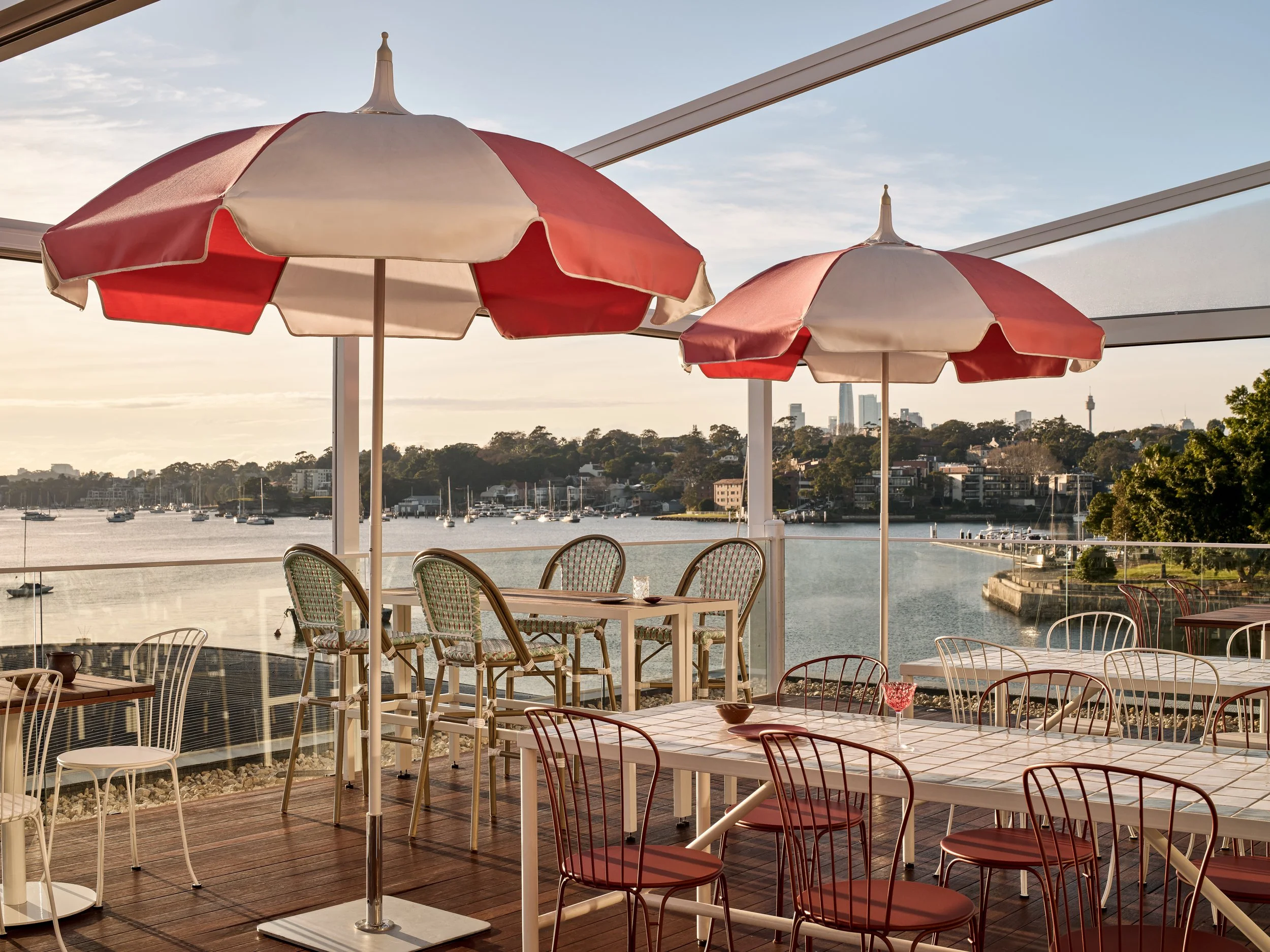
Sometimes, the most significant moments are the quietest. Choosing private dining rooms in Sydney for a very small group can be seen as stepping away from the atmosphere, but it's actually a great way to create a focused, uninterrupted setting.
This approach suits anniversary dinners, discreet business conversations, or intimate celebrations where the people at the table are the clear priority.
The success of these small gatherings comes down to placement and flow. A table positioned away from busy service paths and general dining noise allows conversation to unfold comfortably.
Service should feel considered rather than constant, present when needed and respectful of the moment. At Ecco, our quieter waterfront corners offer this balance, delivering intimacy without losing the energy that defines the restaurant.
Tables for 8–12 Guests: One Table, One Conversation
For groups of this size, the goal is unity. You want everyone to feel part of a single, cohesive gathering. Long rectangular or elegant oval tables are the clear winners here, as they naturally guide the conversation along a central axis.
This shape ensures that a guest at one end can still engage with someone at the other, preventing the group from splintering into separate dialogues.
Spacing is crucial. Each guest needs enough elbow room to dine in comfort, and there must be sufficient clearance around the table for staff to serve without disrupting the flow of conversation.
The current trend sees a strong preference for shared menus at this scale. Passing platters and sharing dishes inherently enriches the communal feel, turning the meal itself into a point of connection and interaction. It’s a style that feels both celebratory and effortlessly social.
Tables for 14–20 Guests: Structured, Not Crowded
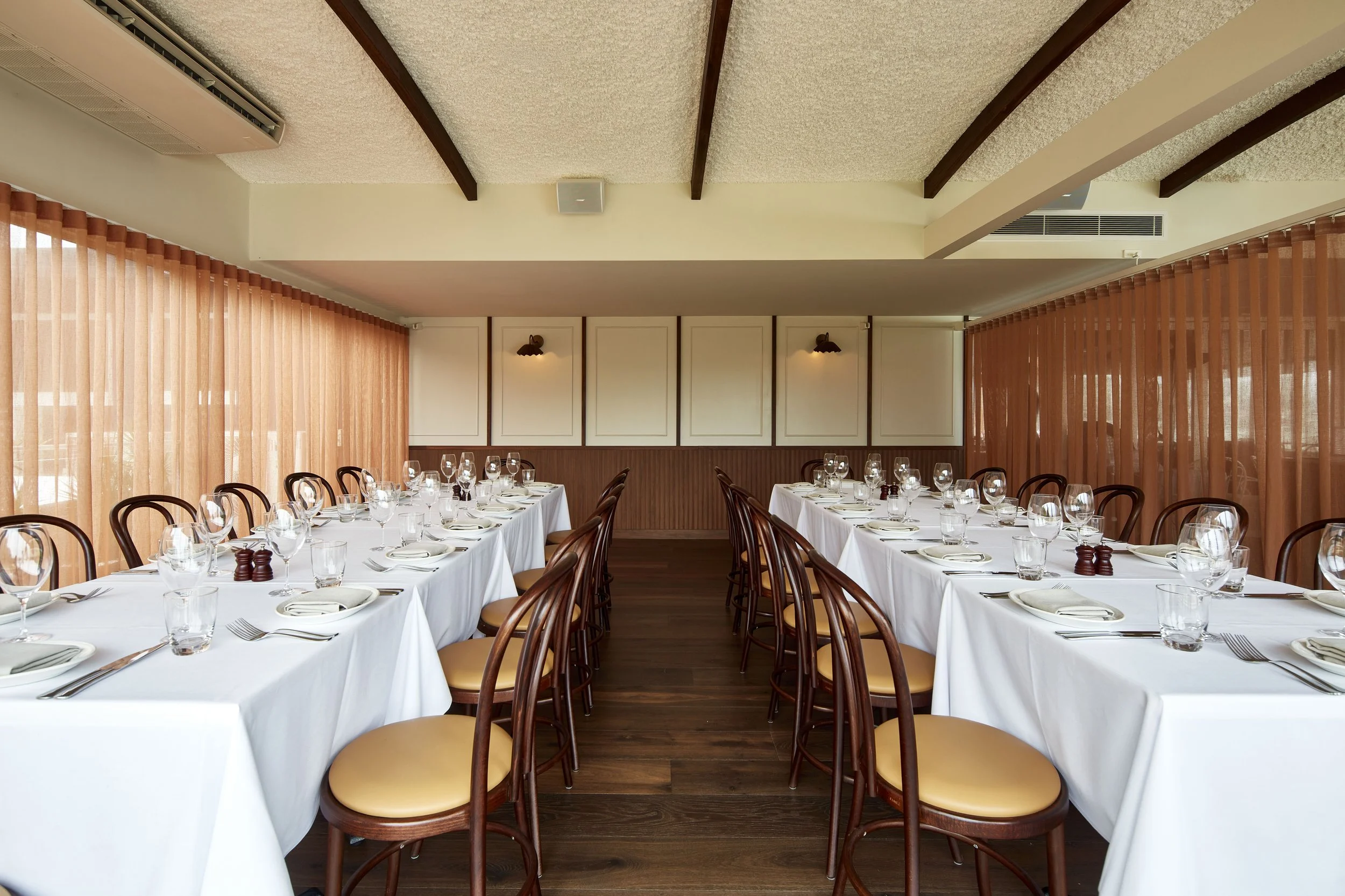
As a group grows, maintaining a single conversation becomes nearly impossible. The challenge is to create a sense of togetherness without sacrificing comfortable interaction.
Here, a single, very long table can sometimes feel more like a boardroom than a celebration. A better approach is often to use two or more tables joined together, creating a subtle visual separation that encourages smaller, more manageable conversation groups while keeping everyone connected.
Maintaining clear sightlines across the tables is essential for ensuring guests don't feel isolated. Service pacing also becomes more complex. A well-organised kitchen and service team must ensure that all guests receive their meals in a coordinated fashion.
Tables for 22–30 Guests: Designing Flow Over Formality
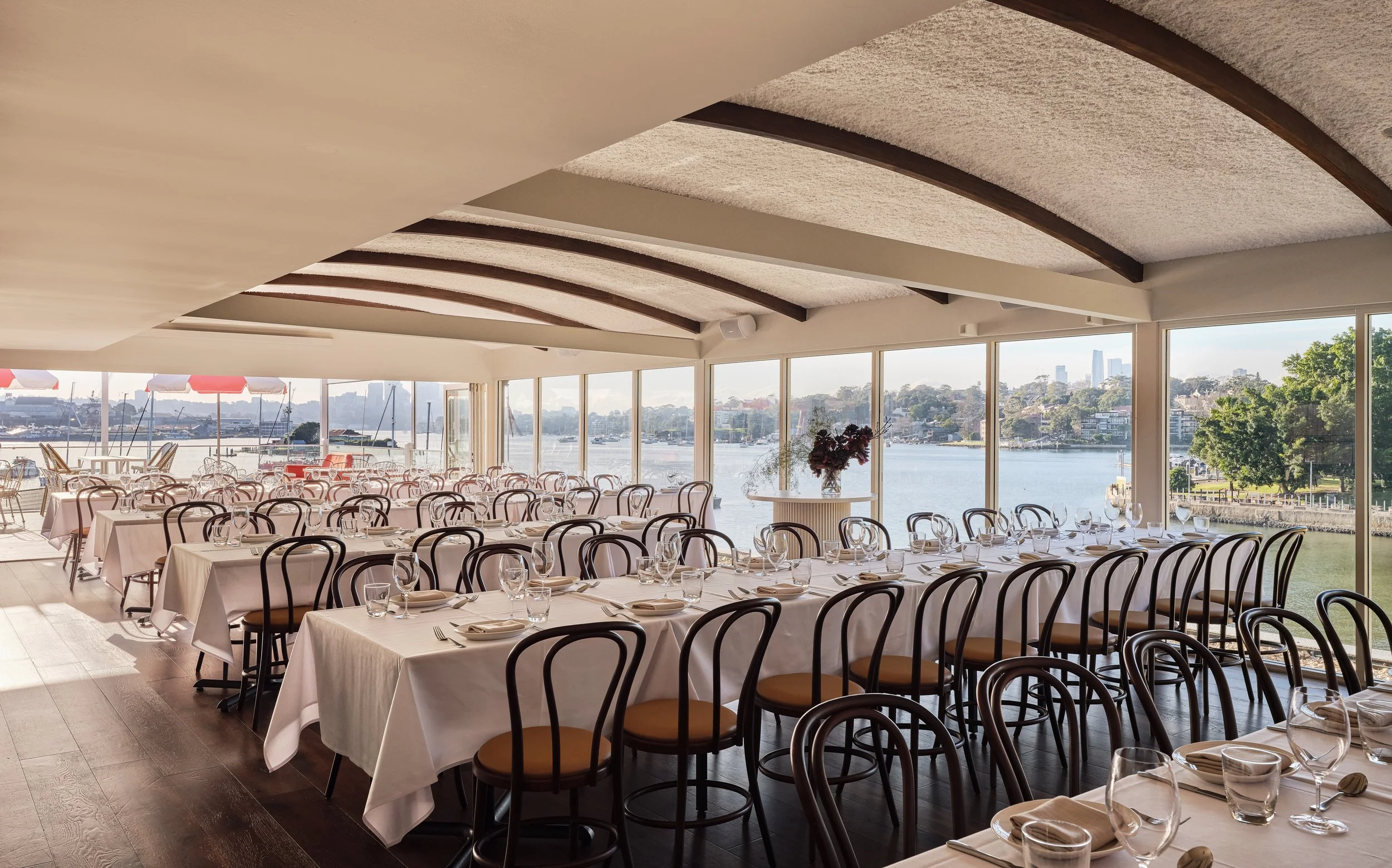
At this scale, you’re no longer just planning a dinner; rather, you're orchestrating an event. The traditional, formal arrangement of a single, long table becomes impractical and often stifles social interaction.
The atmosphere naturally shifts from a formal dining experience to a more dynamic, event-like feel. The key to success is embracing this shift and designing for movement and flow.
Using clusters of tables, perhaps a mix of rectangular and round, breaks up the space and creates multiple focal points for conversation. This encourages guests to move around and mingle between courses. Just as important is the space between the tables.
Generous aisle spacing is important, as it allows guests and staff to navigate the room easily, preventing bottlenecks and ensuring service remains smooth and efficient. The design priority becomes creating a comfortable, fluid environment where conversation can spark naturally in smaller groups.
Tables for 32–40 Guests: Controlled Energy, Seamless Service
Accommodating a group of up to 40 guests entails a comprehensive room planning that goes far beyond just table placement. The primary objective is to make a large space feel cohesive and connected, rather than fragmented or cavernous. This is where the venue's layout and inherent features become incredibly important.
Strategies to manage the space include using a mix of table shapes to break up monotony and creating designated zones for different activities, perhaps a corner for pre-dinner drinks or a space near a window for guests to gather.
Managing the acoustics is also vital. A room full of 40 concurrent conversations can quickly become a wall of noise. The right layout can help buffer sound and allow conversations to flourish without becoming overwhelming.
Private Dining Rooms vs Open Group Tables: How to Choose
Deciding between a dedicated private dining room in Sydney and a large table within the main restaurant depends entirely on the tone and needs of your event. Each option offers a distinct atmosphere, and the right choice will elevate your guests' experience.
Private dining rooms are the ideal solution when privacy, noise control, or a highly formal tone is required. They are perfect for corporate presentations, milestone family announcements, or any event where speeches will be made. A private room gives you complete control over the environment, from music to lighting, without any external distractions.
In contrast, open-plan group tables are advantageous when you want to tap into the vibrant, lively energy of the restaurant itself. This setup is great for celebratory gatherings like birthdays or team dinners, where the ambient buzz adds to the festive mood and makes the group feel part of a bigger, more exciting scene.
Your decision should be guided by three factors. The need for privacy. Your group's noise toleranc. And the desired event tone. If the conversation is confidential or the focus needs to be entirely internal, a private room is best. If you want to soak up the atmosphere, an open table is the way to go.
Group Dining Sydney Designed Properly by the ECCO
Successful group dining in Sydney comes down to planning, space, and experience working together. From intimate tables to large celebrations, the way a room is set shapes how your guests connect, how service flows, and how the occasion is remembered.
At Ecco Ristorante, we design every group dining experience with intent. Our flexible waterfront spaces, experienced team, and decades of hospitality allow us to tailor layouts for groups of any size, without losing warmth, rhythm, or atmosphere.
If you’re planning group dining in Sydney and want a setting that feels considered from the first glass to the final course, speak with our team. We’ll help you choose the right table, the right space, and the right approach for your occasion.
