How to Spot When Italian Hearts Run the Kitchen
You walk in and something feels different. Not the red-checked tablecloths or the Chianti bottles hanging from the ceiling—those are props. It's the smell of garlic hitting hot olive oil, the sound of someone arguing in Italian near the kitchen, the way the owner glances up and actually sees you rather than counting covers. You've just walked into a restaurant run by Italian hearts, not a themed imitation.
This isn't gatekeeping. It's pattern recognition. Once you know what to look for, you'll spot the difference before you've ordered a thing. Authenticity shows up in unexpected places: in what's missing from the menu, in how you're greeted, in what you hear from the kitchen. Here's how to tell.
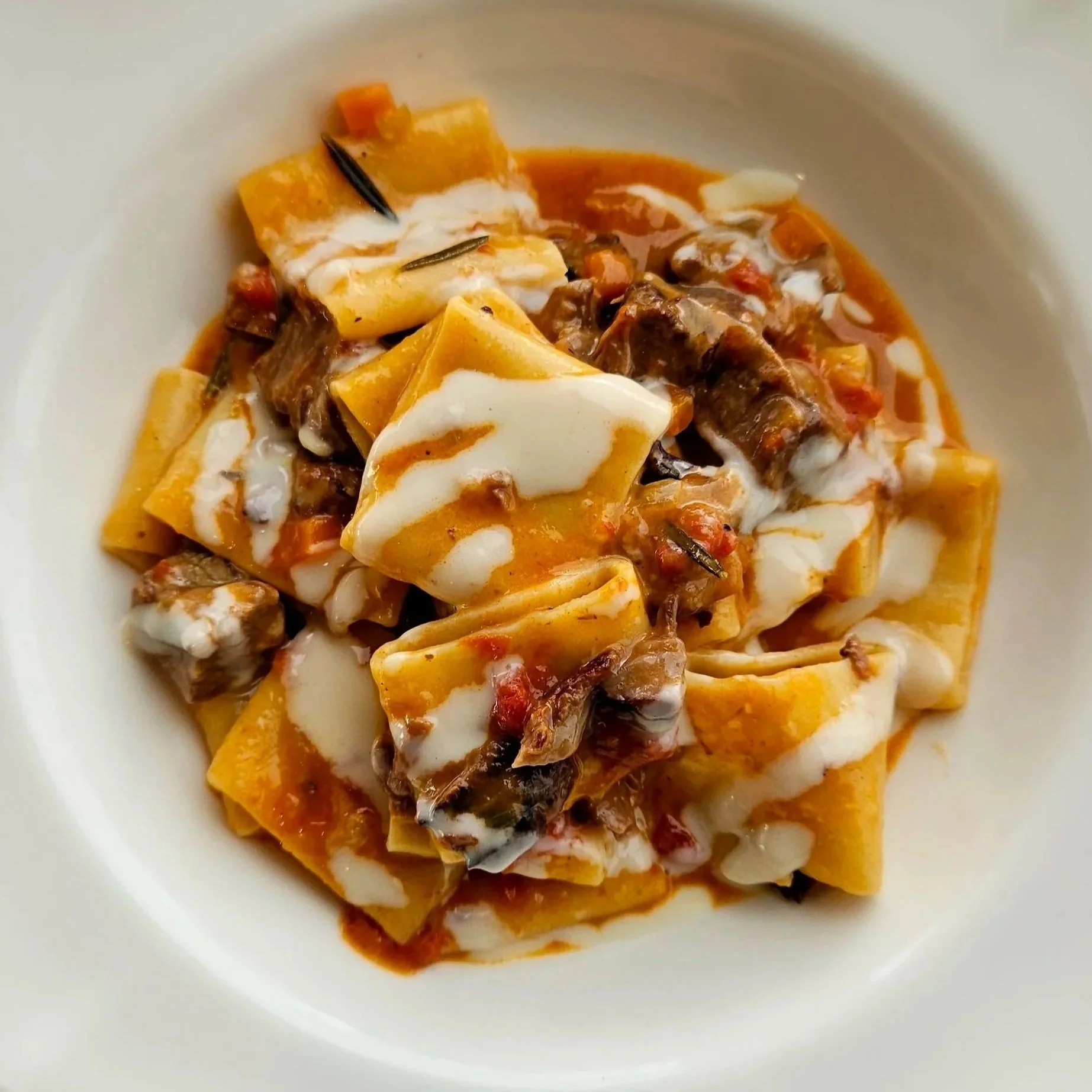
The Menu Tells You Everything (If You Know What to Look For)
An authentic Italian menu reveals a philosophy before you've read a single dish. It's not about pleasing everyone. It's about doing fewer things properly. Italian cooking emphasizes simplicity with few ingredients and regional specificity—this should be visible immediately.
Three tests will tell you what you need to know: menu length, seasonal awareness, and ingredient red flags. Not all short menus are authentic, but what's missing matters as much as what's there.
Why a short menu signals confidence, not limitation
Italian home cooking focuses on mastering a handful of dishes tied to family and region. Not offering 50 options. If you see more than 15-20 mains, question whether anything is made fresh to order. That's not snobbery—it's logistics. A kitchen can't properly prepare 40 different dishes without pre-cooking, freezing, or cutting corners.
Australianized Italian restaurants add crowd-pleasers: chicken parmigiana, creamy carbonara, seafood marinara with cream. These don't exist in Italian home kitchens. They exist to fill seats.
Ask yourself: does this menu reflect a region—Roman, Sicilian, Venetian—or just "Italian" as a vague category? Authentic places pick a lane. They're not trying to represent an entire country.
The seasonal test: what's missing matters as much as what's there
Italian cooking respects seasons. You won't find tomato-heavy dishes in winter or pumpkin in summer at authentic places. Porcini in autumn. Asparagus in spring. Seafood variations by season. This isn't about being difficult—it's about cooking what's actually good right now.
Does this menu change quarterly, or has it been the same for three years? Some classics stay—carbonara, cacio e pepe—but specials should reflect what's in season. If the menu looks identical in January and July, someone's working from a freezer, not a market.
Red flag ingredients that never appear in Italian home kitchens
Cream in carbonara. Chicken with pasta. Pineapple anywhere. Mozzarella on everything. These signal Australianization, not tradition. Traditional Italian cooking keeps dishes simple and respects their origin. Adding random ingredients breaks this rule.
Authentic places won't offer "build your own pasta" or unlimited topping options. That's not how Italian cooking works. Each dish has a reason for existing the way it does. Letting customers customize it suggests the kitchen doesn't actually understand what they're making.
Some modern Italian chefs innovate. But they do it with intention, not to please tourists.
How They Treat You Before You Sit Down
Forget the menu for a moment. Watch how they treat you before you've ordered. Italian hospitality aims to make guests feel at home, not just served. This isn't about being loud or theatrical. It's about specific gestures that show care.
The following signs reveal whether the owners see you as a guest in their home or a transaction.
The coffee offer: why genuine Italian restaurants make this gesture
Offering espresso while you wait or after your meal—often complimentary—is a hospitality ritual, not a sales tactic. Offering coffee is a common Italian cultural practice, serving as an icebreaker and a way to spend time with someone. It signals "you're a guest, not just a customer."
Notice: is the coffee good quality? Is it offered naturally, not pushed? You won't see this everywhere, but its presence is a strong signal of Italian-run hospitality values.
When the owner insists on explaining a dish (and when they don't)
Italian owners will passionately explain a dish if it's regional, traditional, or made a specific way. Because it matters to them personally. They won't explain spaghetti pomodoro—that's obvious. But they'll stop you if you're about to order something incorrectly paired.
Contrast this with over-explaining everything on the menu. That feels scripted rather than genuine. Does the explanation feel like sharing family knowledge or reciting marketing copy? You'll know the difference.
The "where five eat, six can eat" mentality in practice
The cultural saying "where five eat, six can eat" reflects the Italian hospitality ethos of always making room for more guests. They'll squeeze in an extra chair. Offer to split a dish properly in the kitchen. Bring extra bread without charging.
This isn't about being chaotic. It's about flexibility and warmth within a well-run operation. Italian hospitality historically involved making guests feel welcome as a sacred duty. This shows up in small gestures, not grand announcements.
What Happens in the Kitchen (and What You Can Hear)
Photo by Derwin Edwards on Pexels
Authentic Italian cooking prioritizes technique and freshness over speed. Open kitchens or audible cooking sounds reveal what's actually happening: fresh preparation versus reheating. Not all authentic places have open kitchens, but what you hear and how long things take are telling.
The sound of fresh pasta being made versus reheated dishes
Listen. Pasta machines. Rolling pins. The slap of dough on a bench. These are different sounds than the ping of microwaves or the clattering of pre-portioned containers being opened.
Fresh pasta made daily is a hallmark of authentic Italian cooking. It takes time and skill, so not every dish will have it. But look for visual cues too: flour on aprons, pasta drying racks, dough resting on benches. These aren't decorative. They're evidence of actual work.
Why authentic Italian cooking takes longer (and they won't apologise for it)
Italian cooking techniques—slow-cooking sauces, making pasta to order, properly resting meat—can't be rushed. Authentic Italian dining emphasizes time-honored, homemade cooking with no shortcuts. This requires time, not shortcuts.
Authentic places will tell you upfront if a dish takes 20-30 minutes. They won't apologize because they're doing it right. If everything arrives in 10 minutes, that's reheating, not cooking.
The olive oil test: how it's used, stored, and talked about
Olive oil is fundamental in Italian cooking. Authentic places use high-quality oil, store it properly—away from light and heat—and talk about its origin. Ask where their olive oil comes from. Genuine Italian kitchens will know the region, producer, sometimes even the harvest.
Olive oil should be offered for dipping bread, finishing dishes, drizzling over completed plates. Not hidden away or used sparingly to save costs. They won't use the most expensive oil for everything, but they'll use good oil where it matters and cheap oil nowhere.
When You've Found the Real Thing (and Why It Matters)
You've now learned to spot authenticity through menu, hospitality, and kitchen practices. Finding genuine Italian cooking isn't just about better food. It's about experiencing a cultural philosophy of hospitality, simplicity, and respect for tradition.
Italian hospitality and cuisine emphasize emotional connection and authenticity—this is what you're actually seeking. Not just a meal, but the values behind it.
Now that you know what to look for, you can find these places in Sydney and support kitchens run by Italian hearts. You'll recognize them immediately: by what's missing from the menu, by how you're treated before you sit down, by what you hear from the kitchen. Trust what you've learned. The real thing doesn't need to announce itself.