What Makes a Celebration Truly Memorable: Beyond the Ordinary Night Out
You've been to both kinds of celebrations. The first had everything on paper: good food, decent wine, a room full of people. Yet somehow it felt flat. Conversations stalled. The energy never quite lifted. Everyone left on time, politely.
Then there's the other kind. Maybe the venue was smaller than you expected. Perhaps the menu wasn't elaborate. But something clicked. Guests stayed longer than planned. Laughter came easily. Weeks later, people still mentioned it.
The difference wasn't budget. It wasn't even the guest list. Memorable celebrations create a specific emotional state through atmosphere, human connection, and details that most people never consciously notice but always feel. This isn't about spending more. It's about understanding what actually matters when you want something special.
The Difference You Feel But Can't Always Name
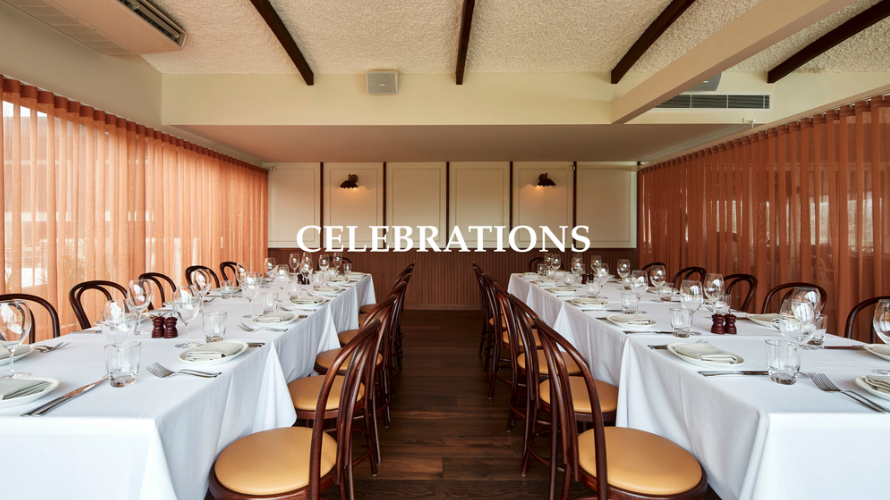
Walk into the right venue and you know within thirty seconds. Not because you've analysed the lighting or assessed the acoustics. You just feel it. The space welcomes you without trying too hard. You can imagine your guests here, relaxed and engaged.
Most people struggle to articulate why one venue works and another doesn't, even when the distinction feels obvious. They'll say things like "it just had a good vibe" or "it felt right". That's not vagueness. That's your instinct recognising something genuine.
The best celebrations create a paradox: guests feel both special and comfortable. They're celebrated without being on display. There's formality without stiffness, warmth without chaos. You hear the hum of conversation layered over background music that doesn't compete for attention. Light falls naturally. People move through the space without awkward bottlenecks or dead zones.
This quality exists before anyone's ordered a drink or said a word. The room itself is doing work you can't see but absolutely feel.
When the Room Itself Tells a Story
Physical spaces communicate before anyone speaks. They set expectations, signal values, establish mood. A venue with a clear point of view tells you immediately what kind of experience it's designed for. It's not trying to be everything to everyone.
This matters because your guests are reading the room whether they realise it or not. The space is telling them how to feel about themselves and the occasion. Is this intimate or grand? Relaxed or refined? Celebratory or contemplative?
The best venues answer these questions with confidence. They've made choices. They know what they are.
Why character matters more than polish
There's a difference between venues that feel lived-in and those that feel like showrooms. Showrooms are impressive. They photograph well. But they often lack warmth.
Character comes from history and intention. Exposed brick that reveals a building's industrial past. Mismatched vintage chairs that suggest someone curated rather than ordered from a catalogue. Worn timber floors that have hosted thousands of conversations.
Imperfection creates warmth when it's intentional. It signals confidence. The venue isn't trying to impress you with perfection. It's inviting you into its world, trusting you'll appreciate what makes it distinct.
This isn't about accepting shabby or poorly maintained spaces. Character requires care. It's the difference between a leather chair that's aged beautifully and one that's simply neglected.
The details that signal someone thought about this moment
Coat hooks at the right height. Mirrors positioned where people naturally check their appearance before rejoining the group. Surfaces where you can set a drink without interrupting a conversation or blocking a walkway.
These aren't decorative details. They're functional evidence that someone imagined how you'd actually use the space. They reveal themselves through use, not observation.
When you visit a venue, look for this kind of thoughtfulness. Are there enough power points if someone needs to charge a phone? Is there natural light at the time of day you're booking? Can people move between spaces without disrupting others? Is there somewhere to have a quieter conversation if needed?
The answers tell you whether the venue was designed for real celebrations or just designed to look good in photos.
How light, sound, and texture shape the mood before anyone speaks
Lighting affects everything. Harsh overhead lights create a different energy than layered, adjustable lighting. One makes people self-conscious. The other lets them relax into the evening as it progresses.
Acoustics matter more than most people realise until they're shouting across a table. Hard surfaces bounce sound. Soft furnishings absorb it. The difference between a venue where conversation flows naturally and one where everyone's straining to hear is often just poor acoustic planning.
Texture influences whether a space feels welcoming or sterile. Soft fabrics, warm timber, and natural materials create comfort. Too much cool metal and glass can feel impressive but uninviting.
Here's a practical test: visit the venue at the same time of day you'd host your event. Notice how these elements make you feel. Can you imagine your guests comfortable here for three hours? That feeling is data.
The People Who Make You Feel Like the Only Table in the Room
Exceptional service isn't about formality or hovering. It's about genuine attention that makes guests feel seen without feeling watched.
There's a difference between staff who execute tasks and staff who create experiences. The first group delivers what you ordered. The second group notices what you need before you ask. They read energy, adjust pace, and make decisions in the moment that improve your celebration.
The best service is invisible until you need it, then appears exactly when required. Your glass is refilled before it's empty. Someone notices a guest looking uncertain and offers help. A dietary requirement is handled so smoothly that the guest doesn't feel like an inconvenience.
Reading the room versus following the script
Some staff adapt to each celebration's unique energy. Others deliver the same service regardless of context. You can feel the difference immediately.
Adaptive service means knowing when to be present and when to step back. It's adjusting pace to match the group's rhythm. It's sensing when someone needs help without being asked, or recognising when a celebration wants to linger and making that easy rather than rushing them out.
This flexibility requires both skill and empowerment. Staff need permission to make decisions in the moment, not just follow a checklist.
When you visit a venue, watch the staff. Are they noticing what's happening around them? Or are they focused solely on their tasks, moving through the room without really seeing it?
When staff remember what matters to you
Personalisation that goes beyond using someone's name creates connection. A server who remembers a dietary need without being reminded. Someone who recalls a detail from a previous conversation and asks about it. Staff who notice your guest is celebrating a promotion and acknowledge it naturally.
This isn't about formal systems or technology. It's about people who genuinely listen and care enough to remember. That quality can't be automated.
When you're evaluating venues, ask how they capture and share information about guests and their occasions. But pay more attention to whether staff seem like the kind of people who'd remember anyway.
What Stays With You After the Night Ends
Memorable celebrations aren't remembered for their features list. Weeks later, your guests won't be recounting the menu or describing the décor in isolation. They'll talk about moments of connection. Unexpected delight. Feeling truly celebrated.
They'll remember the conversation that went deeper than usual because the space allowed it. The laughter that came easily. The sense that someone had thought about their comfort and experience.
Here's a framework for evaluating venues: imagine your celebration is over and you're describing it to a friend. What would you want to say? "The food was good" is fine. "Everyone felt special" is what you're actually after.
Choosing a memorable venue isn't about finding perfection. It's about finding alignment between the space, the people who run it, and what matters most to you. Some venues will be wrong for you and perfect for someone else. That's not a flaw. That's a venue with a clear point of view.
Trust your instinct. If a space feels right within thirty seconds, there's probably a reason. If you're trying to convince yourself it'll work, it probably won't. The difference between routine and remarkable is often just the confidence to choose what genuinely fits rather than what looks impressive on paper.