What Makes a Restaurant Truly Exceptional Beyond the Price Tag
You've paid $300 for dinner and left feeling underwhelmed. Meanwhile, that neighbourhood trattoria you stumbled into last month delivered one of the best meals you've had all year for half the price. This disconnect happens more often than most diners realise.
Price and quality diverge constantly in fine dining. The bill doesn't tell you whether the kitchen sources ingredients obsessively, whether the service team genuinely cares about your experience, or whether the chef prioritises flavour over Instagram appeal. What separates truly exceptional restaurants from merely expensive ones comes down to three things: service philosophy, ingredient sourcing, and culinary craftsmanship.
This isn't about finding bargains or avoiding premium dining. It's about understanding what you're actually paying for.
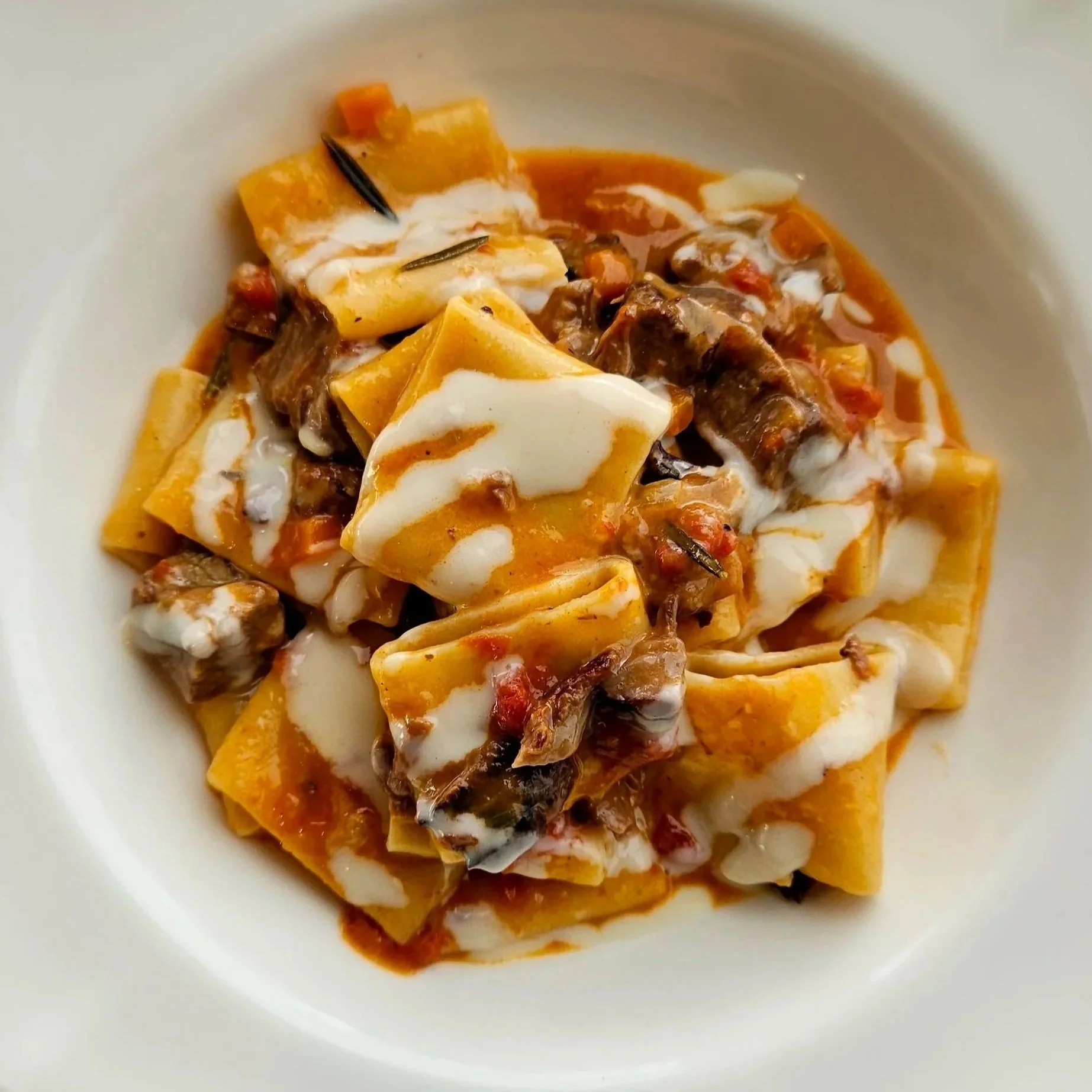
The $300 Meal That Felt Like a Letdown
Picture this: you've booked weeks in advance at a restaurant with glowing press coverage. The dining room looks immaculate. The menu reads beautifully. Then the evening unfolds with mechanical efficiency rather than genuine hospitality. Your server recites specials without enthusiasm. Your water glass sits empty for twenty minutes. The food arrives technically correct but emotionally flat. You're just another booking, another table to turn.
The bill arrives at $320 per person. You pay it, leave a tip, and walk out feeling nothing.
Contrast that with a meal at a smaller restaurant where the owner recognised you were celebrating something without being told. Where the chef came out to explain why they'd chosen that particular preparation method. Where someone noticed you were left-handed and quietly adjusted your place setting. The bill was $140. You've recommended it to six people since.
That difference matters. And it has nothing to do with the price tag.
Why Price Tags Don't Guarantee Excellence
High prices often reflect business costs rather than dining quality. A restaurant in Sydney's CBD pays vastly different rent than one in Marrickville. That cost gets passed to you, but it doesn't improve what's on your plate.
Diners in 2026 increasingly prioritise authenticity and experience over prestige pricing. You want to know the story behind your food. You expect transparency about ingredients. You notice when a restaurant invests in substance rather than surface.
Two factors drive inflated prices without improving your experience: location overheads and marketing spend.
Location and Overheads Drive Prices, Not Always Quality
A restaurant in Circular Quay might add $50-80 per cover just to cover rent, compared to the same operation in Newtown. The chef could be identical. The menu could be identical. The ingredients could come from the same suppliers. But you're paying for the postcode.
Location matters when choosing where to dine. Convenience, atmosphere, and occasion all play a role. But understanding that you're subsidising the landlord helps you evaluate whether the premium is worth it. Sometimes it is. Often it isn't.
Marketing Budgets vs Kitchen Investment
Some restaurants spend heavily on PR firms, influencer partnerships, and glossy photography. Others invest that money in staff training and better ingredients. Both approaches can fill tables, but only one improves your meal.
Social media heavily influences dining choices in 2026, with 86% of diners reading reviews before booking. This makes marketing tempting for restaurants trying to build buzz quickly. But exceptional restaurants let the food and service speak for themselves. They rely on word-of-mouth, which 88% of people trust more than any other form of recommendation.
Marketing has its place. But when you're choosing between two restaurants at similar price points, ask yourself which one you've heard about from friends versus which one you've seen promoted online.
The Service Philosophy That Defines Exceptional Restaurants
Truly exceptional service makes you feel seen and valued, not just processed. This isn't about hiring more staff or following rigid protocols. It's about philosophy and training.
When did you last feel a restaurant truly understood what you needed before you asked?
Anticipation Without Intrusion
The best service balances attentiveness with space. Staff notice when your water glass is empty without hovering over your table. They adjust table settings when they spot a left-handed diner. They bring an extra plate when they see you're sharing, without being asked.
This requires observation and training, not mind-reading. Exceptional restaurants teach their teams to read tables, to notice small signals, to act without interrupting conversation. Compare this to over-formal service that feels robotic, or intrusive check-ins every five minutes that break the flow of your meal.
Staff Who Know the Story Behind Every Dish
Every team member at an exceptional restaurant can discuss provenance, preparation methods, and flavour profiles. They know where the lamb was raised. They understand why the chef chose this particular technique. They can explain how the dish evolved.
This storytelling creates emotional connections. Diners want authenticity, not just technical descriptions. When your server speaks with genuine enthusiasm rather than reciting a script, you taste the difference. At Ecco, this philosophy extends to every interaction. The team doesn't just serve Italian cuisine; they share the heritage and craftsmanship behind each dish, connecting diners to the tradition and quality that defines the experience.
Recovery That Turns Mistakes Into Memorable Moments
Mistakes happen everywhere. Exceptional restaurants use them to demonstrate genuine care. An overcooked steak gets handled with an immediate apology, a replacement cooked to perfection, and perhaps a complimentary course. Not just a discount. Not a defensive explanation.
How staff respond reveals whether management empowers them to solve problems or just follow rigid protocols. The best restaurants give their teams authority to make things right immediately. This builds trust faster than flawless service ever could.
Ingredient Sourcing: Where Exceptional Restaurants Separate Themselves
Exceptional restaurants obsess over where ingredients come from, not just what they are. Health-conscious dining with transparency about ingredients is standard expectation in 2026. But this isn't about expensive ingredients. It's about appropriate quality and traceable sourcing.
Can your restaurant tell you exactly where your fish was caught this morning?
Traceable Provenance You Can Verify
Exceptional restaurants name their suppliers and provide specific details. Which farm. Which day. Which fishing boat. Ask your server where the beef came from. Vague answers like "local farms" reveal limited commitment. Specific answers like "Mayura Station in the Limestone Coast" demonstrate obsessive attention to sourcing.
Some restaurants feature supplier information directly on menus. This transparency matters for everything: meat, vegetables, dairy, and seafood. When a restaurant can trace every ingredient, they're accountable for quality at every step.
Seasonal Menus That Actually Change
Genuinely seasonal menus change monthly or quarterly based on harvest, not marketing calendars. This demonstrates both ingredient quality and chef creativity. Working with what's best right now requires more skill than relying on year-round imports.
Red flag: asparagus in December or tomatoes in February suggest frozen or imported ingredients prioritised over seasonality. Some preserved or imported ingredients are appropriate, but the menu core should reflect what's actually in season. Exceptional restaurants embrace these constraints because they produce better food.
The Culinary Craftsmanship You Can Taste
Exceptional cooking balances technique with flavour. You should taste both skill and deliciousness. This is about consistency and intention, not molecular gastronomy or unnecessary complexity.
Does the food taste like the chef is showing off their skills or serving you?
Consistency Across Every Service
Exceptional restaurants deliver the same quality on Tuesday lunch as Saturday dinner, across all tables. This requires systems, training, and quality control. Not just talented chefs having good days.
Consistency builds reputation and drives word-of-mouth recommendations. Check reviews across different days and times to spot consistency issues. If Tuesday lunch reviews mention rushed service or underwhelming dishes while Saturday dinner gets praised, that's a warning sign.
Techniques That Enhance Rather Than Obscure
The best cooking highlights ingredient quality rather than masking mediocre ingredients with foams, gels, and complexity. Perfectly timed fish where you taste the fish. Aged beef where the beef shines. Technique serves the ingredient, not the other way around.
Exceptional restaurants use advanced techniques when they genuinely improve the dish, not for Instagram appeal. Sous vide makes sense for certain cuts. Fermentation adds depth to specific preparations. But when technique becomes the point rather than the tool, you're eating the chef's ego instead of good food.
Questions to Ask Before You Book
Before you book your next special occasion meal, ask these questions:
How often does your menu change, and what drives those changes?
Can you name the farms or suppliers for your main proteins?
How do you train your service team on menu knowledge?
How do you handle dietary requirements beyond standard allergies?
What happens if something goes wrong with a dish or service?
Can you describe your approach to seasonal cooking?
Exceptional restaurants welcome these questions and answer enthusiastically. Expensive-but-average ones give vague responses or seem annoyed that you're asking.
Check recent reviews specifically for mentions of service recovery, ingredient quality, and consistency. Look for patterns across multiple visits and different occasions. And remember: you deserve genuine excellence for your investment. Price alone doesn't guarantee it, but these criteria help you find it.
If you're looking for a restaurant that embodies these principles, Ecco demonstrates what exceptional dining looks like. From traceable ingredients to service that anticipates your needs, every detail reflects a commitment to quality that goes far beyond the price tag. Experience the difference for yourself.