What Separates a Memorable Dinner from an Expensive One
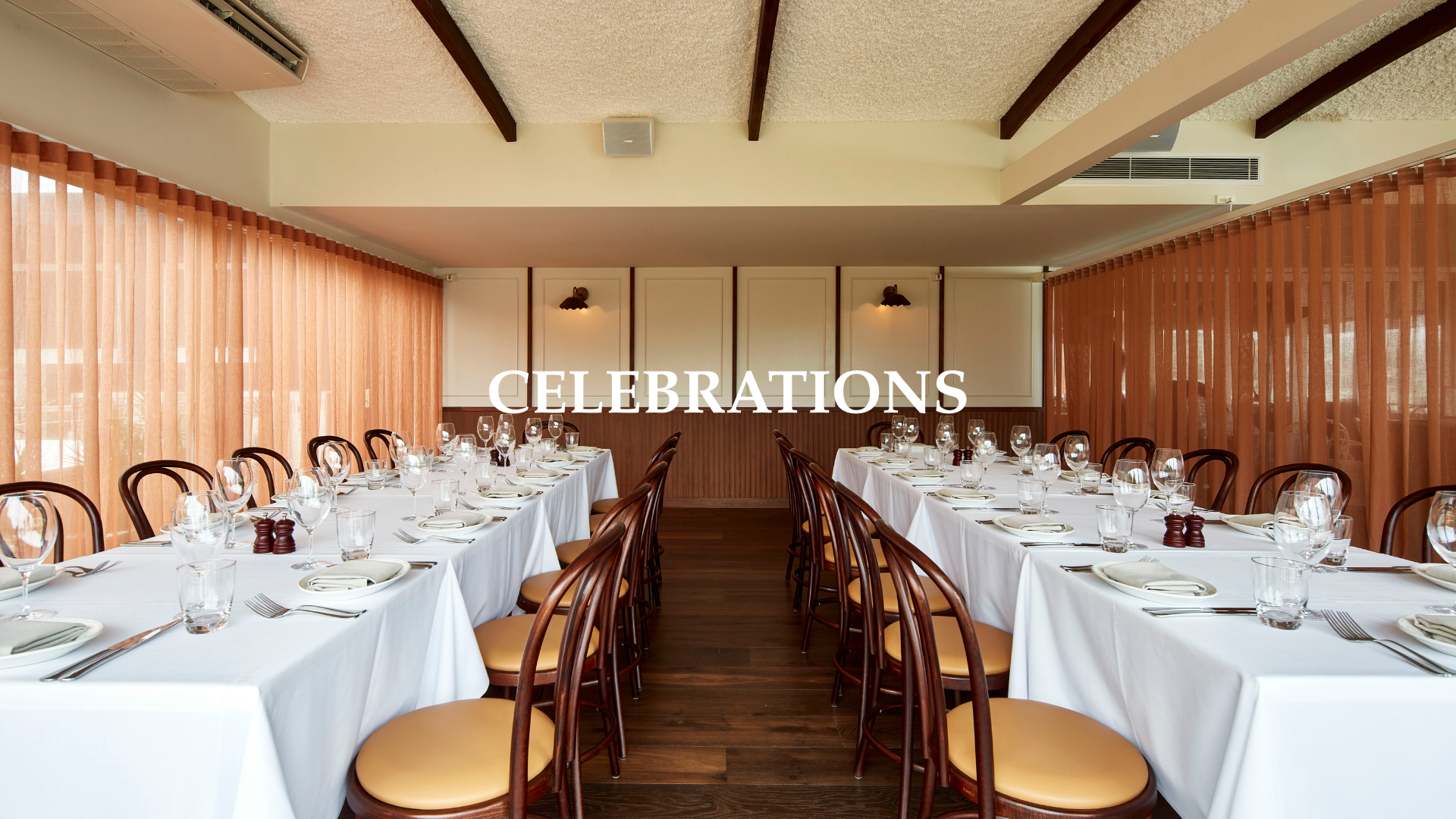
You've been there. A $500 meal that felt transactional. Technically flawless, forgettable by Tuesday. Then a $120 dinner that your guests still mention months later. The difference isn't the bill. It's everything else.
Memorable celebration dinners don't happen because you spent more. They happen because someone understood what creates emotional resonance. The atmosphere that primes your mood before you taste anything. The service that reads your table without hovering. The narrative thread that gives your guests something to retell.
This isn't about finding budget shortcuts or dismissing quality ingredients. It's about recognising that price guarantees technique, not memory. And if you're planning a celebration that matters, you need to know the difference.
The $500 Meal That Felt Like $50 (And Why Price Tags Lie)
A colleague recently spent $480 per head at a hatted restaurant. Impeccable plating. Flawless execution. She remembers nothing about it except the bill.
Three weeks earlier, she'd celebrated at a harbourside Italian venue. $140 per person. She still talks about the greeting, the way the waiter noticed her father's mobility issues and quietly adjusted the seating, the story behind the chef's signature pasta. The food was excellent. The experience was unforgettable.
Price buys ingredients and technique. It doesn't buy emotional weight. Your guests won't remember what they paid. They'll remember how they felt. Whether they felt expected or processed. Whether the evening had rhythm or felt mechanical. Whether anything surprised them in a way that felt personal rather than theatrical.
Quality costs. No argument there. But it's insufficient on its own. The venues that create lasting memories understand this instinctively.
The Invisible Architecture: What Your Guests Feel Before They Taste Anything
The sensory environment does its work before anyone reads a menu. Atmosphere, including lighting, music, and decor, significantly enhances dining experiences regardless of how impressive the venue looks at first glance.
This isn't about ticking boxes. It's about creating a holistic impression that either supports everything that follows or undermines it completely. Get this wrong and even exceptional food feels diminished. Get it right and modest dishes feel elevated.
How Light, Sound, and Space Shape the First 90 Seconds
First impressions form within 90 seconds. That's how long your guests have to decide whether this feels special or ordinary.
Lighting temperature matters more than most venues realise. Harsh overhead lighting creates anxiety. It makes people self-conscious, aware of being watched. Layered, warm illumination does the opposite. It creates intimacy and ease.
Sound works the same way. A jarring soundscape, where kitchen noise bleeds into the dining room or music competes with conversation, fractures attention. A curated environment, where ambient sound sits just below conversation level, allows people to focus on each other.
Spatial layout signals intention. Cramped tables suggest volume over experience. Thoughtful spacing says you matter more than maximising covers.
None of this requires a specific design style. It requires understanding the psychological impact of sensory choices.
The Greeting That Signals 'You're Expected' vs 'You're Processed'
There's a world of difference between being expected and being processed.
Being expected means someone remembers your name. They recall you prefer a quieter table. They acknowledge the occasion without you having to explain it twice. It creates a sense of arrival, of mattering.
Being processed feels industrial. A transactional check-in. A generic "follow me" to any available table. No recognition, no warmth, no signal that tonight is anything other than routine.
This isn't celebrity treatment. It's genuine recognition. And it sets the tone for everything that follows.
Why Rooftop Views and Chandeliers Don't Guarantee Anything
Spectacular settings enhance. They don't create.
A venue might offer stunning harbour views or dramatic interiors. If the substance isn't there, if the service feels mechanical or the food lacks point of view, the setting feels hollow. You remember the view. You don't remember the evening.
Conversely, modest venues with soul resonate deeply. A sense of discovery, such as finding a hidden gem, adds to the enchantment of a dining experience. Authenticity trumps visual grandeur every time.
Beautiful venues matter. But they're enhancers, not foundations. The foundation is always how you make people feel.
The Choreography of Attention: Service That Anticipates Without Hovering
Service at this level isn't reactive. It's choreographed. It requires reading subtle cues and timing interventions perfectly.
The paradox: your guests should feel cared for but never watched. Attended to but never interrupted. This isn't "good service." It's artistry. It's emotional intelligence applied in real time.
Reading the Table: When Staff Remember What You Didn't Say Out Loud
Anticipatory service looks like this: water refilled before it's empty. Pace adjusted based on conversation flow. Dietary preferences remembered from a previous visit without being asked again.
It creates a feeling of being understood rather than merely served. You're not managing the experience. Someone else is managing it for you.
Contrast this with reactive service, where nothing happens until you ask. Where you're constantly flagging down staff or waiting for attention. It breaks rhythm. It reminds you you're being served rather than cared for.
This doesn't require mind-reading. It requires trained observation and empathy. The best venues build this into their culture.
The Timing Paradox: Why Rushed and Lingering Both Ruin Momentum
Celebration dinners need rhythm. Courses should arrive with natural flow that matches your conversation and energy.
Rushed service creates anxiety. You're barely finished when the next plate arrives. You feel hurried, pressured, unable to settle into the moment.
Excessive gaps kill momentum. Conversation stalls. Intimacy dissipates. You start checking your phone.
The right timing reads the table's energy and adjusts accordingly. If you're deep in conversation, the next course waits. If there's a natural pause, it arrives. This sounds simple. It rarely is.
Storytelling Beyond the Menu: The Narrative Thread Your Guests Will Retell
Memorable dinners have narrative arcs. Your guests can recount them weeks later because there was something to recount beyond "the food was good."
Storytelling, whether through restaurant history, menu origins, or ingredient provenance, creates unforgettable experiences. Stories transform transactions into experiences with meaning.
The Chef's Signature That Reveals Philosophy, Not Just Skill
A signature dish should communicate more than technical execution. It should reveal the chef's values, heritage, or creative vision.
At Ecco, the approach to Italian cuisine demonstrates this clearly. The menu doesn't just showcase technique. It expresses a culinary point of view rooted in tradition but open to innovation. That's what makes dishes memorable. They tell you something about the kitchen's identity.
Contrast this with dishes that exist purely to impress. Technically flawless but emotionally inert. You admire them. You don't remember them.
Surprise Elements That Feel Personal, Not Gimmicky
Unexpected elements, such as unique presentations or surprise complimentary items, leave lasting impressions. But only when they feel organic.
An amuse-bouche tailored to your occasion. A personalised menu card for an anniversary. A brief interaction with the chef that feels genuine rather than staged. These work because they enhance the narrative without overwhelming it.
Theatrical gimmicks, by contrast, feel forced. They draw attention to themselves rather than deepening the experience. The best surprises feel like natural extensions of the venue's character.
The Venue's Origin Story: When History Adds Weight to the Moment
Venue heritage adds gravitas. Family recipes spanning generations. A founding story that reveals values. Even recent venues can have compelling narratives if they're authentic.
What doesn't work: manufactured heritage. False histories created for marketing. Your guests sense the difference immediately.
Ecco's waterfront location and commitment to authentic Italian hospitality isn't just positioning. It's a story that gives context to every dish, every interaction, every decision about how the evening unfolds. That context matters.
The Dinner Your Guests Will Actually Remember (And How to Ensure It)
Memorable dining requires all these elements working harmoniously. Sensory environment. Anticipatory service. Authentic narrative. A fine dining experience is memorable when all elements work together from greeting to last bite.
When you're evaluating venues, ask questions that reveal integration rather than isolated features. How does the team handle unexpected situations? What's the story behind signature dishes? How do they approach pacing for different occasions?
Observe during site visits. Does the greeting feel genuine or scripted? Is the lighting thoughtful or harsh? Can you hear kitchen chaos or curated ambience?
Red flags: venues that prioritise style over substance. Spaces that look impressive but feel cold. Service that's technically correct but emotionally flat.
If you're planning a celebration that genuinely matters, work with venues that understand these distinctions instinctively. Ecco specialises in creating these experiences for special occasions, corporate events, and celebrations where the memory matters as much as the meal. The difference between expensive and memorable isn't subtle. It's everything.