What Traditional Italian Cooking Reveals About Authentic Cuisine
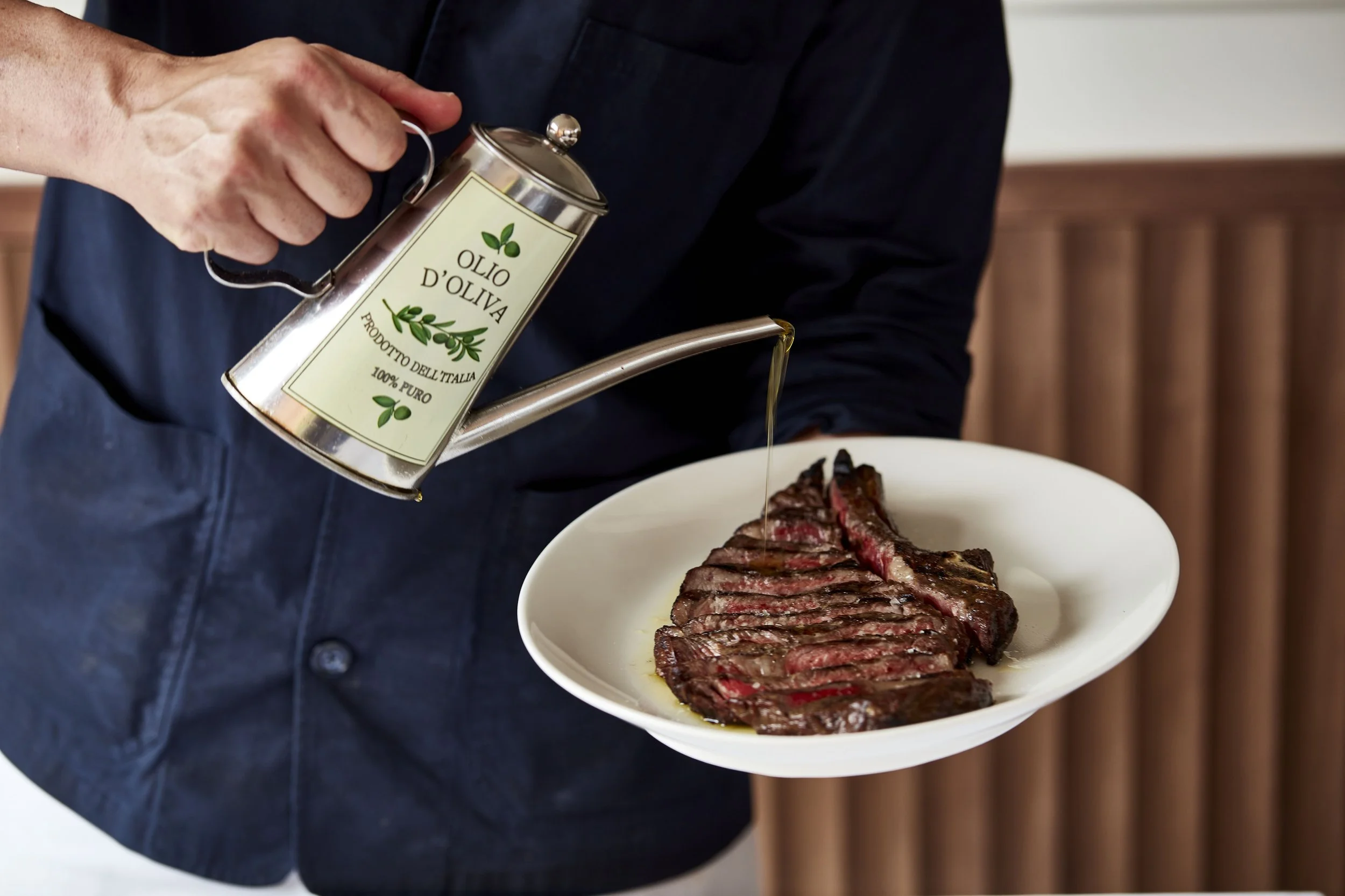
There's a fundamental difference between how a nonna cooks and how a chef operates. The chef measures, times, and standardises. The nonna tastes, adjusts, and responds. Neither approach is wrong, but only one produces food that tastes like it came from an Italian kitchen.
This isn't about pitting tradition against professionalism. It's about recognising that authentic Italian food is regional, ingredient-focused, and built on sensory judgement rather than precision. The techniques nonnas use aren't quaint folklore. They're practical methods that work better than timers and measuring cups when you're dealing with real ingredients that vary every single time.
You'll learn specific techniques here: how to read vegetables through sound, why pasta water matters more than cream, and why counting ingredients forces better cooking. These aren't tips for enthusiasts. They're operational principles that change how food tastes.
The Recipe Card Paradox: Why Precision Fails in Italian Kitchens
Recipe cards promise control. Follow the measurements, hit the timings, and you'll get consistent results. Except you won't, because ingredients don't behave consistently.
Tomatoes vary wildly in water content depending on variety and season. Garlic from one bulb can be twice as pungent as garlic from another. Fresh herbs lose potency within hours of being cut. When you measure rigidly, you're ignoring what's actually in front of you.
Nonnas don't measure because they're cooking by feel. They assess what they have and adjust accordingly. A watery tomato gets longer cooking time to concentrate flavour. Harsh garlic gets used more sparingly. The approach is adaptive, not standardised.
Even classic Italian cookbooks reflect this. Artusi's "La scienza in cucina e l'arte di mangiar bene" provides guidance rather than rigid formulas. The recipes acknowledge that cooking requires judgement, not just compliance.
Recipe cards have their place. They're useful for learning structure and understanding technique. But they create a false sense of precision that doesn't match how ingredients actually behave.
Measuring destroys the conversation between cook and ingredient
When you measure everything, you stop paying attention. You're following instructions instead of responding to what's happening in the pan.
Nonnas assess ingredients through touch, smell, and appearance. They judge tomato ripeness by firmness and scent, which tells them whether to cook longer or add acid. They feel pasta dough to know if it needs more flour or water. They smell garlic to gauge whether it's about to burn.
This isn't mystical. It's direct feedback that measuring interrupts. Scales and cups create distance between you and the food, preventing real-time adjustments that make the difference between adequate and excellent.
Try this: next time you cook, taste at three different stages instead of following the timer. Early in cooking, midway through, and just before serving. Notice how flavours develop and what needs adjusting. You'll learn more from those three tastes than from any recipe card.
Why nonnas taste constantly and chefs follow timers
Tasting throughout cooking lets you correct course. Too acidic? Add a pinch of sugar. Flat? Add salt. Harsh? Add fat or a splash of pasta water to round it out.
Timer-based cooking assumes identical conditions every time: same hob strength, same pan thickness, same ingredient moisture content. Those conditions never exist. Your medium heat isn't the same as the recipe writer's medium heat.
Italian cuisine's simplicity makes constant tasting manageable. Authentic Italian recipes typically contain fewer than 7 ingredients, so you're not juggling complex flavour profiles. You're tasting tomato, garlic, basil, and olive oil. Simple enough to assess clearly.
Keep a spoon nearby and taste your sauce every five minutes during cooking. You'll catch problems early and understand how flavours develop over time.
The Soffritto Test: How Nonnas Read Vegetables Like Text
Soffritto is the aromatic base of onions, celery, and carrots that underpins many Italian dishes. It forms the foundation for authentic Italian sauces, stews, and soups. Get it right and everything that follows tastes better. Rush it and the entire dish suffers.
Nonnas know when soffritto is ready through sensory signals, not clock time. They listen and watch. The technique isn't complicated, but it requires attention.
Listening for the sizzle change that signals readiness
When vegetables first hit the pan, they sizzle sharply. High-pitched, aggressive, loud. As they cook, they release water and begin to soften. The sound changes. It becomes gentler, deeper, almost a murmur rather than a shout.
This auditory cue tells you when vegetables have softened without browning too much. It works regardless of hob strength or pan size, unlike timer-based methods that assume standard conditions.
Close your eyes whilst cooking soffritto and listen for the sizzle to quiet and deepen. You'll hear the transition clearly once you know to listen for it.
Why colour matters more than clock time
Nonnas look for translucent onions with barely golden edges. Not the deep brown caramelisation of French cooking. The vegetables should look glossy and wilted, with colour just beginning to deepen at the edges.
Recipes that say "cook for 5 minutes" ignore pan temperature and vegetable size variations. Five minutes in a cold pan achieves nothing. Five minutes in a screaming hot pan burns everything. The colour tells you what's actually happening.
Aim for the colour of pale straw, not amber or brown. If you're seeing significant browning, you've gone too far for most Italian applications.
Fewer Ingredients, More Respect: The Seven-Item Rule Nonnas Never Break
Restraint is harder than complexity. It's easier to hide mediocre ingredients behind layers of flavour than to let each component speak clearly.
Authentic Italian recipes focus on the main ingredient's natural flavour. Tomatoes taste like tomatoes. Fish tastes like fish. Restraint allows each ingredient to be tasted and appreciated rather than buried in complexity.
This principle appears consistently in regional Italian cooking across the country. It's not a hard rule, but it reveals priorities: quality over quantity, clarity over confusion.
Why garlic powder signals a cook who doesn't trust garlic
Garlic powder, dried basil, and similar processed ingredients indicate distance from authentic Italian cooking. Not because they're inherently bad, but because they represent convenience over the ingredient's actual contribution.
Fresh garlic's pungency and sweetness change dramatically with cooking method. Raw garlic is sharp and aggressive. Sautéed garlic is mellow and sweet. Roasted garlic is almost caramel-like. Garlic powder tastes like garlic powder regardless of how you use it.
Buy fresh garlic, store it properly in a cool, dark place, and learn to slice it thin for delicate dishes or crush it for robust ones. The difference is immediate and obvious.
The regional truth: no such thing as "Italian" seasoning
Traditional Italian dishes are regional, not national. There's no unified "Italian" flavour profile because Italy's regions cook differently based on climate, history, and available ingredients.
Commercial "Italian seasoning" blends are American inventions with no basis in Italian cooking. Northern Italy favours butter and sage whilst Southern Italy uses tomatoes and oregano. Different regions, different flavours.
Avoid recipes labelled generically "Italian" and instead look for regional specificity: Tuscan, Sicilian, Bolognese. The more specific the regional attribution, the more likely the recipe reflects actual cooking traditions.
Pasta Water as Currency: The One Ingredient Chefs Waste and Nonnas Hoard
Nonnas save pasta water religiously whilst home cooks pour it down the drain. This isn't superstition. The starchy, salty water is essential for finishing pasta dishes properly.
It's about extracting value from what seems like waste, a core principle of Italian home cooking. Nothing gets thrown away if it still has use.
Why starchy water binds sauce better than any cream
Pasta water's starch acts as an emulsifier, helping oil-based sauces cling to pasta without adding heaviness. It creates silkiness through chemistry, not fat.
Cream-based approaches mask flavours rather than enhance them. Authentic Italian cooking rarely uses cream in pasta dishes. Starchy water achieves the same silky texture whilst letting the actual ingredients taste like themselves.
Reserve a mugful of pasta water before draining, then add it tablespoon by tablespoon to your sauce. You'll see the sauce transform from separated oil and solids into a cohesive coating.
The wrist flick that finishes pasta in the pan, not the colander
Drain pasta slightly earlier than you want to eat it. More al dente, with real resistance when you bite. Then finish cooking it in the sauce with pasta water.
This allows the pasta to absorb the sauce whilst releasing more starch for binding. Pasta should be cooked "al dente" (to the tooth) with a firm texture, which is easier to achieve with this method because you're controlling the final minute of cooking directly.
Drain pasta one to two minutes early, transfer to pan with sauce, add pasta water, toss vigorously for one to two minutes. The pasta finishes cooking in the sauce, absorbing flavour instead of water.
Cooking Without a Net: Why Nonnas Never Apologise for Imperfection
Nonna wisdom comes from repetition and confidence, not from following rules perfectly. They've made the same dishes hundreds of times. They know what works and what doesn't matter.
Precision creates anxiety about mistakes. You worry about exact measurements and timings because you believe deviation equals failure. Intuitive cooking accepts variation as natural. Tomatoes differ. Garlic differs. Heat differs. The dish will taste slightly different each time, and that's fine.
Italian home cooking values the meal's role in bringing people together over technical perfection. The food needs to be good, but it doesn't need to be identical every time.
Cook Italian food repeatedly. Trust your senses. Stop apologising when dishes turn out differently each time. Variation means you're responding to real ingredients, not following a script.