Why Most Harbour Views Come with Disappointing Food (And How to Avoid It)
You're sitting at a waterfront table. The sun's dropping into the harbour, painting everything gold. The view is flawless. Then your meal arrives, and you realise you've just paid $35 for fish and chips that taste worse than the takeaway place three streets back.
This isn't bad luck. It's economics.
The best views often come with the worst food, and there's a rational explanation for why this happens so consistently. More importantly, there are ways to find the rare exceptions where you can actually have both. This isn't about avoiding waterfront dining entirely. It's about understanding what you're paying for and making smarter choices.
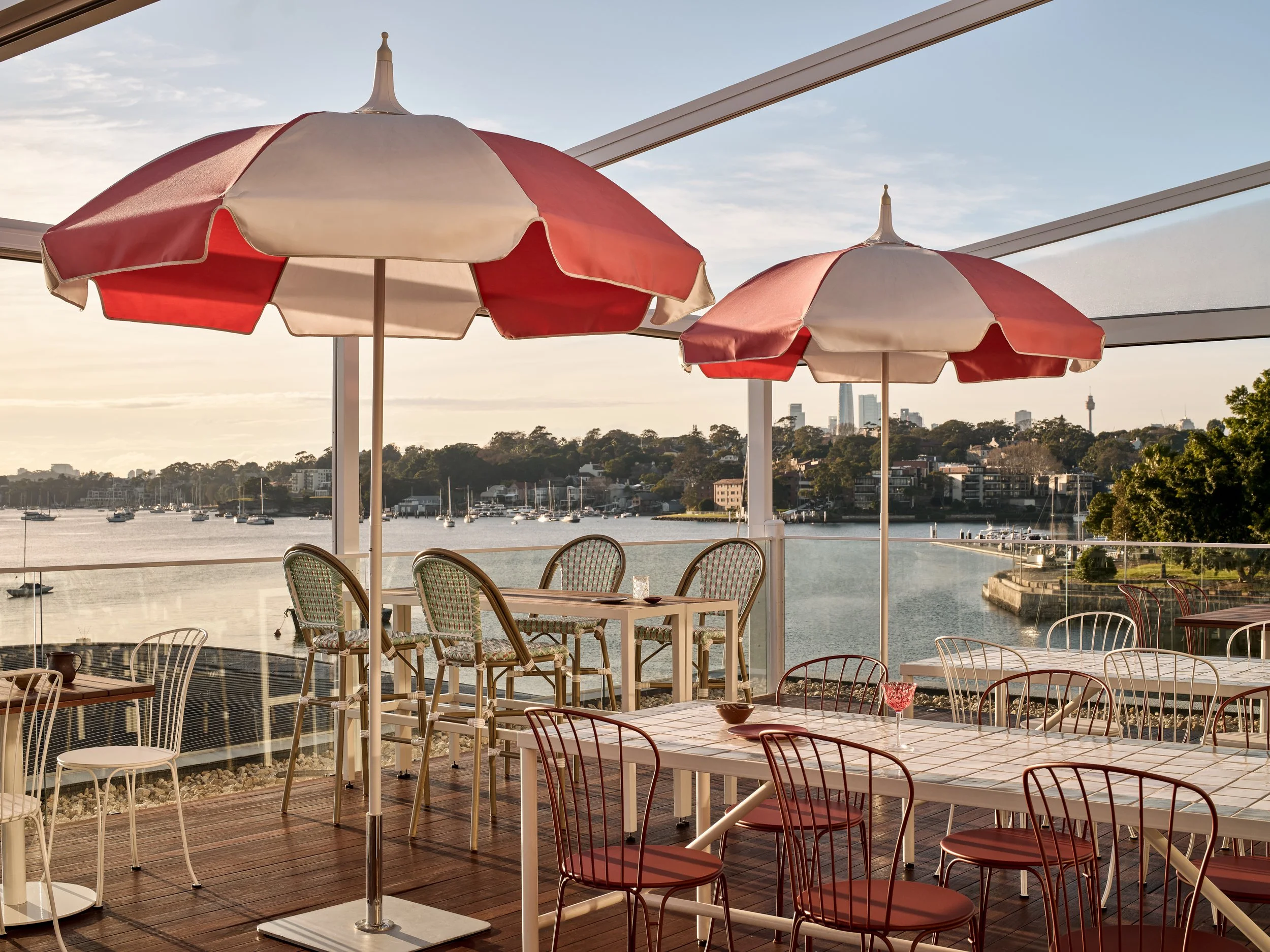
The View Tax: Why Your Eyes Pay More Than Your Stomach Gets
When you sit down at a harbourside restaurant, you're not primarily paying for what's on your plate. You're paying for what's outside the window.
The view has genuine value. Nobody disputes that. But here's what most diners don't realise: restaurants price based on their location premium first, then work backwards to figure out what they can afford to put on the plate. A $35 harbourside fish and chips isn't priced that way because the fish costs more. It's priced that way because the table costs more.
Compare that to the same dish at a pub fifteen minutes inland. Better quality fish, crispier batter, more chips, $15. The difference isn't the food. It's the postcode.
Have you ever looked at a waterfront bill and felt the numbers didn't quite match what you just ate? That's the view tax in action. The view has real value, but you should know exactly what portion of your money is going toward it versus what's actually funding your meal.
The Real Estate Trap: When Location Becomes the Entire Business Model
Waterfront restaurants aren't run by lazy owners who don't care about food. Most of them are trapped by a cost structure that makes mediocre food the only viable option.
Here's what's really happening behind those harbour views: the economics of waterfront hospitality force a choice between paying rent and buying premium ingredients. And rent always wins, because you can't negotiate with a landlord the way you can downgrade from fresh fish to frozen.
Three major cost pressures drive this dynamic, and they all point in the same direction.
Waterfront restaurants pay 40-60% more in rent than inland equivalents
Prime waterfront real estate commands a significant premium over comparable inland locations. We're talking thousands of dollars extra per month for the same square footage.
Landlords can charge this because demand for harbourside space is constant. Tourists want it. Instagram wants it. Every new restaurateur thinks they'll be the exception who makes it work. So the premium persists regardless of whether the previous tenant succeeded or failed.
This isn't villainy. It's market reality. But it means that before a waterfront restaurant serves a single customer, they're already starting from a position where a huge chunk of revenue is spoken for. That rent difference has to come from somewhere, and it's not coming from reducing the view.
Operating costs spike from insurance, flood protection, and seasonal closures
Rent is just the beginning. Waterfront properties face operational costs that inland restaurants never think about.
Insurance premiums are substantially higher for coastal locations. Policies need to cover damage from hurricanes, storms, flooding, and fires, plus the unique liability risks that come with water proximity. Coastal erosion requires ongoing shoreline protection efforts. Some locations face seasonal closures during high-risk weather periods, but annual costs continue regardless.
A restaurant might close for two or three months during storm season but still pays rent, insurance, and maintenance for twelve. That cash flow gap has to be absorbed somewhere, and it's not going to be absorbed by reducing the harbour view.
The kitchen becomes the cost-cutting target, not the view
When you can't reduce rent and you can't reduce insurance, food cost becomes the only flexible line item in the budget.
This is where the shift happens. Fresh fish gets replaced with frozen. Vegetables come pre-cut. Sauces arrive in containers rather than being made in-house. The kitchen becomes an assembly operation rather than a cooking operation.
The Geelong example is instructive here: a customer paid $37 for fish described as 'mush', a slimy salad, and a few chips after waiting over an hour. That's not random incompetence. That's the predictable outcome of a cost structure where the kitchen is the only place left to cut.
The Captive Audience Problem: Why Harbour Restaurants Don't Need to Try Harder
Even if waterfront restaurants could afford better ingredients, the competitive dynamics don't reward it.
Normal restaurants depend on repeat customers and word-of-mouth. Waterfront restaurants don't, because their customer base refreshes constantly. Tourists visit once and leave. Instagram users come for the backdrop. The business model doesn't require food quality to drive traffic, so food quality doesn't get prioritised.
Why improve the food when customers keep coming for the view anyway?
Tourist traffic creates no repeat-customer pressure
A neighbourhood restaurant lives or dies on regulars. If the food disappoints, locals stop coming, and the business fails within months.
Waterfront restaurants operate differently. Their customer base is transient by nature. Tourists visit once, have a mediocre experience, then fly home. There's no repeat visit to lose. Negative reviews get buried under the volume of new visitors who haven't checked them yet.
This doesn't mean all waterfront restaurants ignore quality. It just means the business model doesn't structurally require it the way a suburban bistro does.
Oversupply in waterfront zones means competing on view, not food
Harbours typically have multiple restaurants clustered together, all offering similar views. In Melbourne's Docklands, there's roughly one restaurant, cafe, or bar per 50 residents, creating intense competition for the same customer base.
But they're not competing on menu quality. They're competing on table position. Which restaurant has the best sunset angle? Which one has availability right now? Which one has the outdoor table that's not too windy?
It's like competing airports. They compete on convenience and location, not on service quality, because customers choose based on where they need to go, not which airport has better food.
Instagram culture rewards the backdrop, not the plate
Social media has intensified this dynamic significantly. A sunset harbour photo gets hundreds of likes. The disappointing pasta doesn't get posted.
Restaurants know this. They invest in photogenic settings, not kitchens. String lights, harbour-facing tables, sunset timing. These drive social media engagement far more effectively than improving the carbonara.
When did you last see someone Instagram their mediocre meal alongside a great view? The view gets posted. The food gets quietly tolerated.
How to Find the Rare Harbour Restaurant That Actually Delivers
Great waterfront restaurants do exist. They're just rare, and finding them requires a different approach than you'd use for normal restaurant selection.
If you're working with hospitality businesses or advising clients in the sector, understanding these dynamics matters. Ecco works with restaurants and hospitality operators to navigate exactly these kinds of operational and strategic challenges, helping businesses balance location advantages with service quality.
Here's your practical checklist for finding the exceptions this weekend.
Check if locals eat there on weeknights, not just tourists on weekends
Locals voting with their wallets on a Tuesday evening is the strongest quality signal you'll find.
Check Google Maps location history on a Wednesday at 7pm. If it's busy, that's meaningful. Locals have dozens of options and no obligation to tolerate mediocre food for a view they see every day. If they're choosing this restaurant on a random weeknight, the food works.
Ask hotel staff or shop workers where they eat when they want harbour views. If locals actively avoid a waterfront restaurant despite living ten minutes away, that tells you everything.
Look for chef-owned venues where reputation matters more than location
Chef-owners have personal reputation at stake. Corporate chains and investor-owned venues don't, at least not in the same way.
Check the 'About' page for chef background and ownership structure. Look for chefs who moved to the waterfront after establishing themselves elsewhere, rather than starting there. They're less likely to coast on location because they've already built a reputation they don't want to damage.
Chefs with awards or previous successful restaurants won't risk their name on frozen fish and pre-made sauces. Their career depends on maintaining standards regardless of where they're located.
Read reviews that mention specific dishes, not just 'amazing views'
Learn to filter reviews properly. Detailed food descriptions indicate real assessment. Generic view mentions indicate tourist trap.
Compare these two reviews: "The pan-seared scallops were perfectly caramelised with a subtle citrus note" versus "Great sunset!" The first reviewer is evaluating food. The second is evaluating geography.
Search reviews for ingredient names, cooking techniques, or flavour descriptions. If multiple reviews mention specific dishes by name and describe how they tasted, that's a good sign. If every five-star review only mentions ambience and view, that's a red flag, not a green light.
Visit during off-peak hours when the view matters less
If people come at 3pm on a cloudy Tuesday, they're coming for food, not sunset photos.
Try weekday lunches, early dinners before golden hour, or overcast days. Truly good restaurants maintain traffic regardless of lighting conditions. If the place is empty when the view isn't performing, that tells you what's actually driving their business.
This is also when you'll get better service, because the kitchen isn't slammed with sunset reservations all arriving simultaneously.
The View-Food Compromise You Should Actually Make
Sometimes you just want the view, and that's completely legitimate.
The smart compromise: drinks and appetisers harbourside, dinner elsewhere. Have a glass of wine and some oysters while watching the sunset, then move inland for the actual meal. You get the experience without paying $45 for reheated pasta.
If you're staying waterfront for the full meal, reframe your expectations. Order simple dishes that are hard to ruin. Grilled fish, salads, dishes that don't require complex preparation. Don't order the bouillabaisse and expect it to be made from scratch.
Now you understand the economics. The view tax is real, the cost pressures are structural, and the competitive dynamics don't reward food quality the way normal restaurants experience. But armed with this knowledge, you can make informed choices about when to pay for the view and when to prioritise what's on your plate.
You can have both. You just need to be strategic about where and when. And if you're running a hospitality business trying to balance these exact pressures, Ecco can help you navigate the operational and strategic challenges that come with premium locations.